

I officiated a wedding last weekend. It was for a couple that I didn’t know very well, and it was all organized pretty quickly. They first reached out to me about a month in advance, accelerating their original wedding timeline because of a grandparent’s cancer diagnosis, and lease cycles, and financial constraints. So it ended up amounting to something of a “Watermelon Wedding,” which I found endearing.
But gosh, they seemed so young and ill-prepared for such a significant step in their lives!
I really do think it’s refreshing to remember that weddings don’t have to cost tens of thousands of dollars, and that it’s ultimately about two people who want to publicly pledge their commitment to each other and join their lives together in a spirit of integrity and holiness. But at the same time, I worry that young couples don’t fully understand the stakes and the scope of what they’re doing. I worry that couples in situations like these are setting themselves up for a lot of hardship and pain.
But who am I, honestly, to say such a thing to them?!? I plan to pursue this particular couple for some strategic conversations about communication and conflict, families of origin and roles in the relationship, finances, and sex (since circumstances didn’t allow for these conversations before the wedding, like we usually do things in the context of H2O Church weddings) — but it feels unlikely that we’ll be able to make that happen, considering their general instability, the lack of relational capital, and the fact that the wedding has already happened. Most likely, they’re going to choose to just figure things out on their own.

I mean, that’s basically what Marci and I did when we got married. We had very little in the way of strategic conversations with our parents or our church leaders. We were 22 and 21 years old. I was socially-awkward. Marci and I both had quite a bit of idealistic distortion when it came to our expectations for marriage. And yet, our marriage has endured for 28 years (May 30, 1998 to May 30, 2026). And other couples have survived under far less auspicious circumstances.
For their wedding ceremony last weekend, the bride and groom suggested a reading from the third chapter of Ecclesiastes. It didn’t feel exactly like a wedding text to me, but the other biblical passage they suggested felt even less matched to the moment — so we went with Ecclesiastes 3:9-13:
What do people really get for all their hard work? I have seen the burden God has placed on us all. Yet God has made everything beautiful for its own time. He has planted eternity in the human heart, but even so, people cannot see the whole scope of God’s work from beginning to end. So I concluded there is nothing better than to be happy and enjoy ourselves as long as we can. And people should eat and drink and enjoy the fruits of their labor [and even get married at a young age], for these are gifts from God.
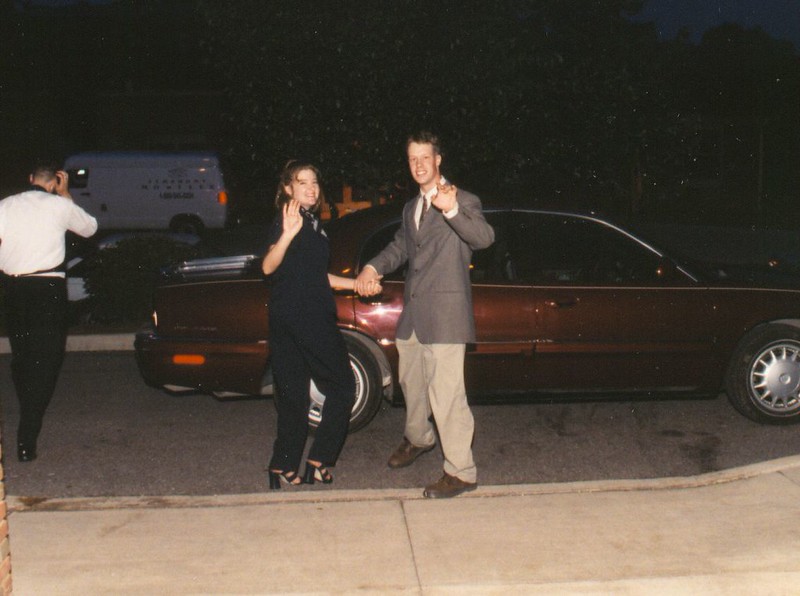
Now that I’m reflecting on it, I can more deeply appreciate the insight of this passage from Ecclesiastes. The insight may have been subconscious for the wedding couple who selected it last weekend. But it’s true. I’m very thankful for the glimpses of eternity that marriage has given Marci and me, through the years. And our life together has been a gift from God, despite the shortcomings we’ve brought to the table. We were young and foolish. And also timeless and wise.